Paper to Prototypes: Insights to Interactions
Sept 2025
Over a period of 2 months in 2025, I had the lovely opportunity to co-teach, with Sonali Madireddi, a course called Paper to Prototypes: Insights to Interactions (very grateful that I got to name it that).
This intensive design workshop will guide participants through the complete Product/Service Design process via real-world project application. Participants will develop a practitioner’s toolkit spanning quantitative/qualitative user research methodologies, information architecture design, wire-framing, UI design, and interactive prototyping. The approaches learnt are grounded in co-design, participatory design & user centricity principles, while being grounded in socio-technical realities of Users, Designers & Product/Service Stakeholders, during the journey of Design. The workshop has been designed to bridge the gap between theoretical UX principles and industry practice by teaching specific technical competencies alongside research rigour. Course Abstract
The aim was to help students move from research insights to making: to translate observations, needs, and opportunities into actual interfaces, products, and interaction patterns.
Debjani, Sonali, and I shaped the course around building with real tools: code, Arduino, and other hands-on mediums; so students could engage with both digital and phygital interactions in a more grounded way.
A key focus area for me was helping students use AI and vibe coding contextually: not as shortcuts, but as tools for building meaningful interfaces and interactions within the real constraints of their projects. As an example, one student needed to create characters for a game they were building. The challenge was to generate consistent-looking characters: thus, writing a rather descriptive prompt but with the guardrails of maintaining the same vibe, dimensions, etc. became imperative. We leaned on the approach of using JSON-prompts for this.
We also emphasized systems thinking in interface design: understanding layouts as logically nested structures, working with auto-layout in Figma, thinking responsively, and building early familiarity with components and variables, both as Figma features and as broader design concepts.
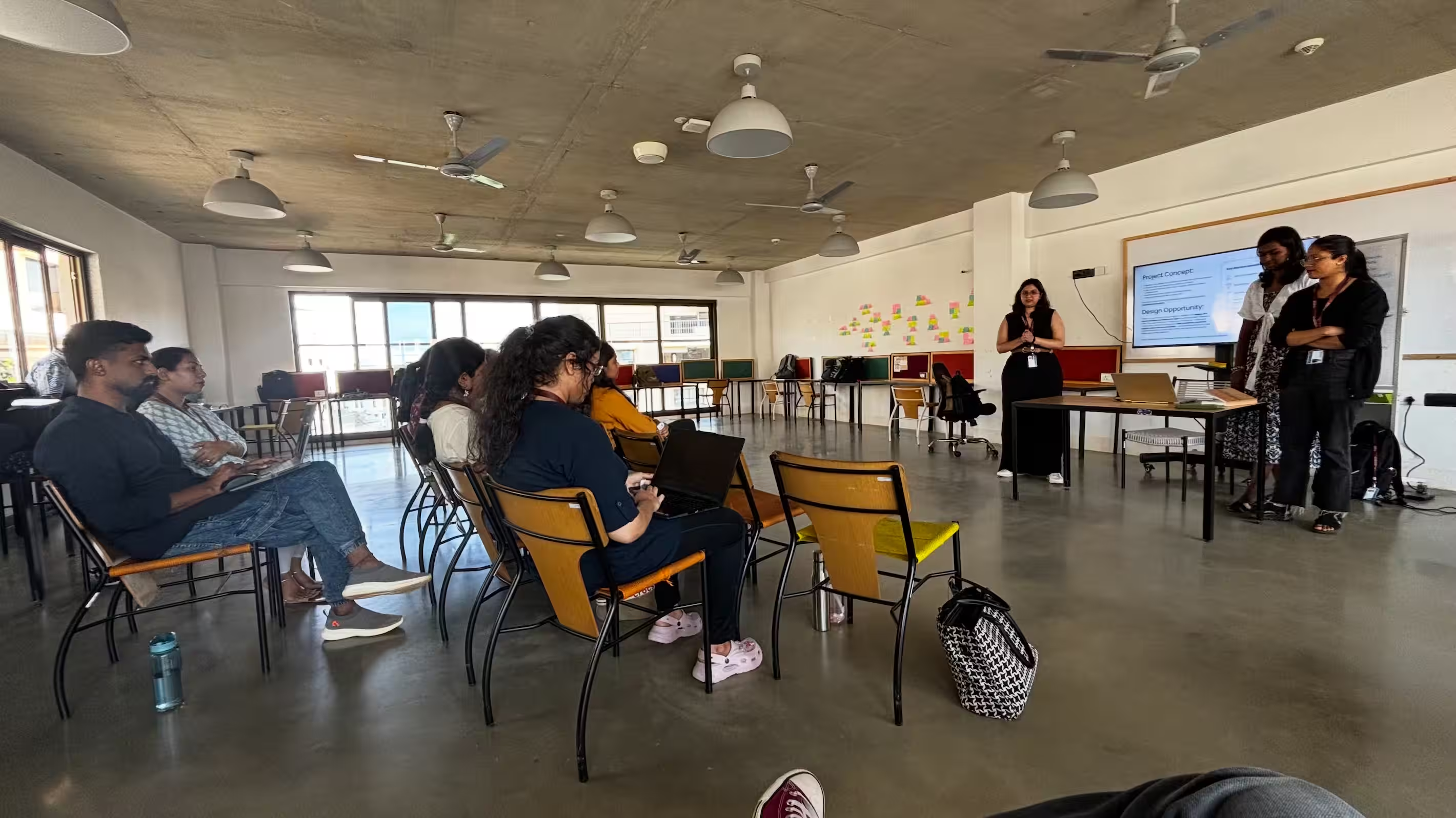
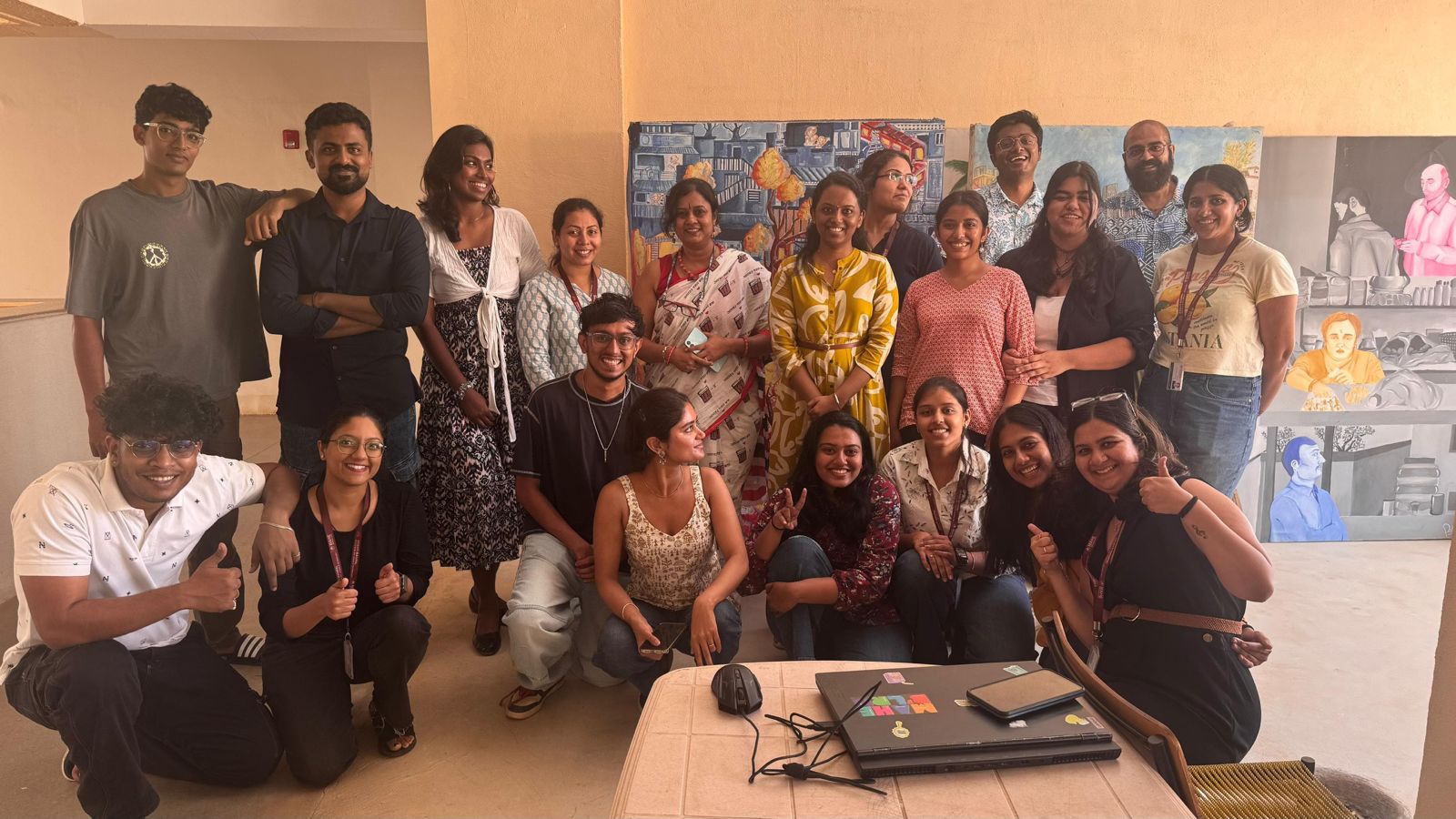
I co-taught this course to Year 2 M.Des, HCD students at SMI from Sept–Oct 2025.
Indebted to Debjani Roy, (Head of Studies, Design and Technology) for inviting me to teach and trusting me with her students. A huge thanks to Paul (Assistant Professor), for being a nice sounding-board and chiming in from time to time.